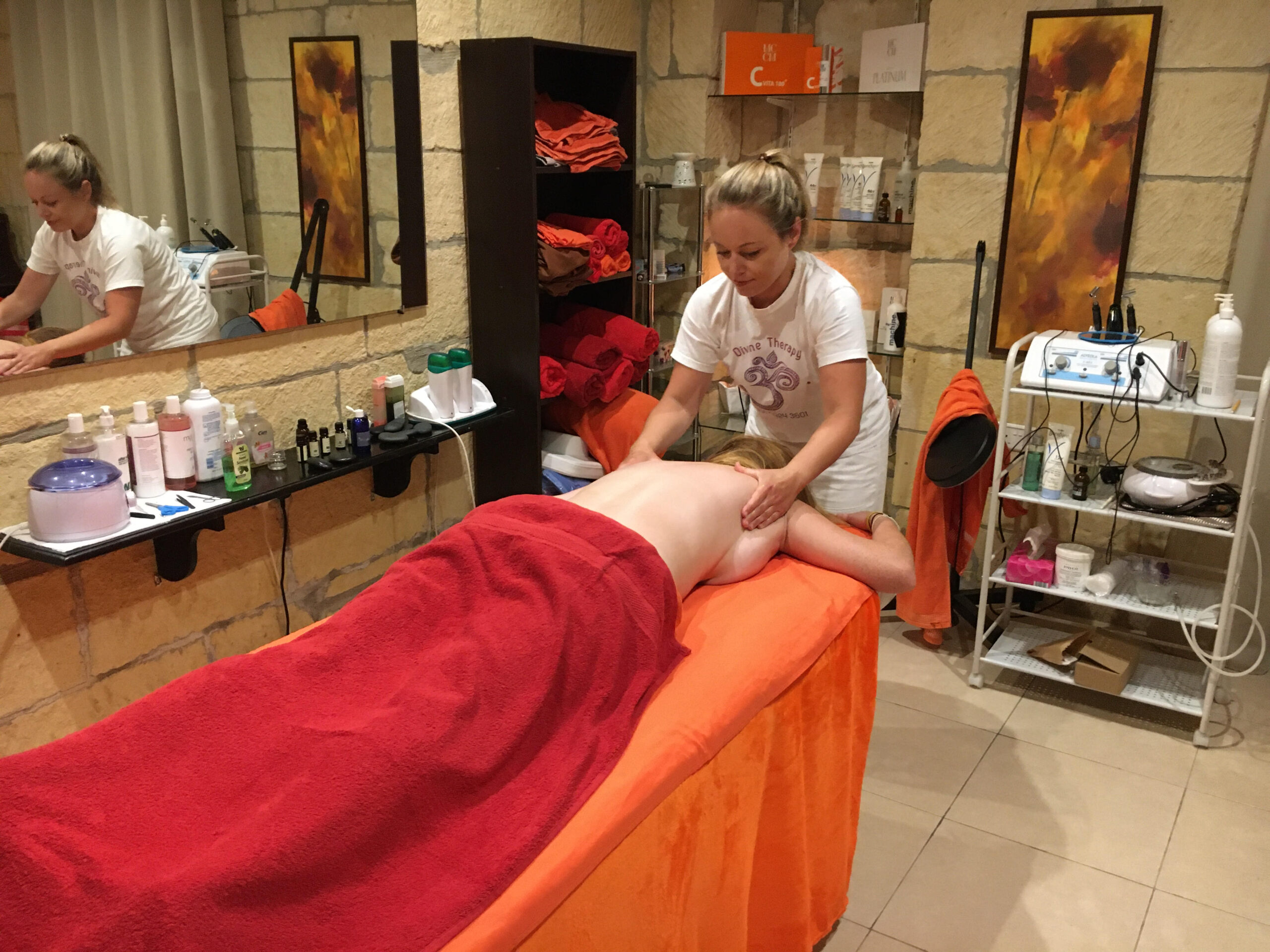

Back pain is one of the most common physical ailments, affecting millions of people worldwide. Whether caused by poor posture, injury, muscle strain, or a medical condition like sciatica, it can significantly impact daily life. One popular remedy often recommended for back pain is massage therapy. But how effective is massage for back pain, and when should it be considered as part of a treatment plan? In this expert review, we explore the benefits, mechanisms, and limitations of massage therapy for alleviating back pain.
How Does Massage Help with Back Pain?
Massage therapy has been used for centuries to relieve muscle tension, improve circulation, and promote relaxation. In the context of back pain, these benefits can be highly effective.
Here’s how:
- Reduction of Muscle Tension One of the most common causes of back pain is muscle tightness or tension. Massage helps to release knots or trigger points in the muscles, allowing them to relax. This is particularly beneficial for people with chronic muscle strain or postural imbalances. Techniques like deep tissue massage target these problem areas, reducing pain and restoring mobility.
- Improved Blood Circulation When muscles are tight, they restrict blood flow, which can hinder the body’s natural healing process. Massage promotes circulation, which helps deliver nutrients and oxygen to sore muscles, speeding up recovery. Enhanced blood flow also helps reduce inflammation, a common contributor to back pain.
- Pain Relief Through Endorphin Release Massage has been shown to stimulate the release of endorphins, the body’s natural painkillers. These chemicals not only alleviate pain but also promote a sense of well-being. The release of endorphins can be particularly beneficial for those suffering from chronic back pain, providing relief without the need for pain medication.
- Addressing Psychological Stress Psychological stress and physical pain are often linked. Chronic pain can increase stress, which in turn leads to muscle tension and exacerbates the pain. Massage promotes relaxation and helps to lower stress levels by calming the nervous system. This mind-body connection can play a critical role in pain relief, especially for people whose back pain is worsened by emotional or mental stress.
What Types of Back Pain Can Massage Help?
Massage therapy can be effective for various types of back pain, but its efficacy may depend on the underlying cause. Here’s a breakdown:
- Muscle Strain and Tension If your back pain is caused by muscle tension or strain from overuse or poor posture, massage therapy is likely to be highly effective. Deep tissue massage, myofascial release, and trigger point therapy can work to alleviate tight muscles and improve overall flexibility.
- Sciatica Sciatica is a condition where the sciatic nerve becomes irritated or compressed, often causing sharp pain that radiates from the lower back down the leg. Massage can help relieve the muscular tension contributing to this compression, but it may not address the root cause, such as a herniated disc. In these cases, massage should be used in conjunction with other treatments like physical therapy.
- Post-Surgical Back Pain People recovering from back surgery often experience residual pain or discomfort as their body heals. Gentle massage techniques like Swedish massage can help improve circulation and ease tension without putting undue stress on the back. However, it is essential to consult a doctor before starting massage therapy post-surgery.
- Chronic Pain Conditions Conditions like fibromyalgia or arthritis, which involve widespread pain and muscle stiffness, can also benefit from massage. Though massage won’t cure these conditions, it can help alleviate some of the symptoms and improve overall quality of life. In these cases, regular, gentle massages may provide the most benefit.
Limitations of Massage Therapy for Back Pain
While massage can provide significant relief for many types of back pain, it is not a cure-all. Here are some limitations to consider:
- Not a Substitute for Medical Treatment Massage should be seen as a complementary therapy rather than a replacement for medical treatment, especially for serious conditions like herniated discs, spinal stenosis, or fractures. If your back pain is accompanied by numbness, weakness, or shooting pain, it’s important to seek medical advice before pursuing massage therapy.
- Temporary Relief While massage can alleviate muscle tension and pain in the short term, it does not address underlying structural issues that may be causing back pain. In cases where back pain is due to spinal problems or poor posture, physical therapy, chiropractic care, or lifestyle adjustments may be needed to achieve long-term relief.
- Technique Matters: Not all massages are created equal. While a general relaxation massage may feel pleasant, it may not provide lasting relief from back pain. It is crucial to work with a therapist who is experienced in treating musculoskeletal pain and can apply the appropriate techniques for your condition.
When Should You Consider Massage for Back Pain?
Massage therapy is worth considering if:
- Your back pain is due to muscle strain, tension, or overuse.
- You experience chronic discomfort from conditions like fibromyalgia.
- You’re recovering from a minor back injury or surgery (with your doctor’s approval).
- You’re dealing with stress-related muscle tension.
However, if you have a more serious medical condition, such as a herniated disc, severe arthritis, or nerve damage, it’s important to consult a healthcare provider to determine whether massage should be part of your treatment plan.
Final words
Massage therapy can be a valuable tool for alleviating back pain, particularly when caused by muscle tension, stress, or minor injuries. By improving circulation, reducing muscle tightness, and promoting relaxation, massage can offer both physical and psychological relief.
However, it is most effective when used as part of a comprehensive approach to pain management, including physical therapy, exercise, and medical intervention when necessary. Always consult with a healthcare professional before beginning any new treatment for back pain, to ensure it’s safe and appropriate for your specific condition.